




Pubblicato il 5 November 2026 da Redazione in Actuality, Actuality in Monaco, Monaco, Sport in Monaco
Safe Sport for Children and Young People: European Ministers Adopt Resolution in Monaco
The 19th Conference of Ministers responsible for Sport of the Council of Europe took place at the Grimaldi Forum. Prince Albert II and Princess Charlène reiterated the need to protect the physical and psychological health of young athletes by preventing excessive pressure, violence and abuse.
Share News:
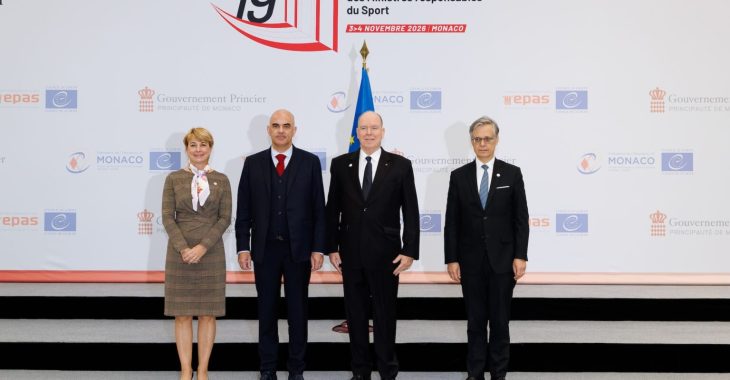
The safety of children and adolescents must be a priority in every sporting environment. Clubs, associations and federations are called upon to provide settings where young people can train, enjoy themselves and grow without being subjected to psychological pressure, discrimination, violence or abuse. This is the principle at the heart of the 19th Conference of Ministers responsible for Sport of the Council of Europe, held on 3 and 4 November 2026 at the Grimaldi Forum in Monaco.
Organised as part of Monaco’s Presidency of the Committee of Ministers of the Council of Europe, the event brought together around 300 participants, including 25 ministers and secretaries of state. The chosen theme, “A Safer and Healthier Sport for All Children”, placed the protection of minors, psychological well-being and the responsibility of sports organisations at the centre of discussions.
At the conclusion of the conference, representatives of the participating states adopted a resolution aimed at strengthening the protection of young people in sport and promoting concrete prevention and monitoring measures.
Prince Albert II and Princess Charlène: Protecting Young People Through Sport
The conference was opened by H.S.H. Prince Albert II, who highlighted the value of sport as a means of bringing people together and promoting social cohesion. As the Sovereign emphasised, sport has a unique ability to bring people closer and foster shared values. However, for this role to be fully realised, it is essential to ensure that children and adolescents have access to a safe, inclusive and respectful environment.
The contribution of Princess Charlène, a former Olympic swimmer who has long been committed to promoting water safety and protecting children through her Foundation, was particularly significant.
The Princess stressed that every child must be able to take part in sport feeling protected, heard and supported. The enjoyment, health and well-being of young people must take precedence over competitive results. No developing athlete should ever feel compelled to win at all costs, ignore pain or fear disappointing coaches and family members.
Sport helps develop self-esteem, friendship, trust and a sense of belonging. However, these benefits risk being undermined when competition becomes an obsession or when young people cannot find adults willing to listen to their concerns.
Charlène therefore emphasised the importance of establishing safe channels through which young people can report distressing situations, inappropriate behaviour or possible abuse, with the assurance that they will be taken seriously and offered support.
In her speech, she also referred to the Council of Europe’s “Start to Talk” programme, an initiative that supports sports organisations in adopting tools and procedures to prevent child abuse. Among the examples mentioned was Cyprus, where four sports federations, including the swimming federation, have introduced specific safeguarding measures.
Trained Coaches and Safeguarding Checks: Safety Starts with Sports Clubs

Among the topics discussed at the conference, particular attention was given to the training and selection of coaches, instructors and those responsible for sporting activities.
During a press briefing, Council of Europe Secretary General Alain Berset and Monaco’s Minister of the Interior, Lionel Beffre, highlighted the need to adopt common rules, verify professional qualifications and strengthen supervision within clubs and federations.
Technical expertise alone is not enough when working with children and adolescents. Those guiding young people throughout their sporting journey must also have educational and interpersonal skills, be able to recognise potential signs of distress and know how to respond when faced with risky situations.
Safeguarding minors also requires clear procedures, well-defined responsibilities and ongoing cooperation between sports clubs, federations, public authorities and relevant services. Cooperation between European countries and the exchange of experiences can help make preventive measures more effective and ensure that they are properly implemented.
Young Athletes’ Psychological Well-being: Winning Cannot Be the Only Priority

Another central topic of discussion was the mental health of young athletes. Adult expectations, pressure from coaches and the constant pursuit of performance can turn sport from a positive educational experience into a source of anxiety, fear and distress.
Training, improving and competing with others are important aspects of personal development, but results cannot become the sole measure of a child’s progress. Victory must never take precedence over health, respect for the individual and the right to enjoy sport in a positive and reassuring environment.
For this reason, it is essential to provide coaches and volunteers with appropriate training, identify trusted adults who can act as points of reference and encourage ongoing dialogue with families. Young people must know whom to turn to when facing difficult situations and be able to rely on a system capable of listening to and protecting them.
Alain Berset: Children’s Rights Also Apply on the Sports Field
Council of Europe Secretary General Alain Berset reiterated that the organisation’s fundamental principles must also be upheld in the world of sport.
“Human rights, democracy and the rule of law do not stop at the sidelines of the sports field,” he stated, highlighting the educational role of sport in teaching respect for rules, opponents and refereeing decisions.
Berset also expressed his appreciation for Monaco and for the organisation of the conference, one of the significant events taking place during Monaco’s six-month Presidency of the Committee of Ministers of the Council of Europe.
Monaco Adopts Resolution for Safer and More Inclusive Sport
The conference concluded with the adoption of a resolution dedicated to protecting children and adolescents in sport. The document aims to strengthen cooperation between states and sports organisations by promoting safeguarding standards, specialised training, abuse prevention and monitoring mechanisms.
The challenge now will be to turn the commitments made in Monaco into concrete, enforceable and verifiable measures within sports clubs. This process requires the involvement of institutions, federations, coaches, families and everyone who supports young people in their sporting activities.
The message from the Grimaldi Forum was clear: sport must be a place of personal development, friendship and well-being, where every child feels respected and safe. Before creating champions, sport must help shape individuals.
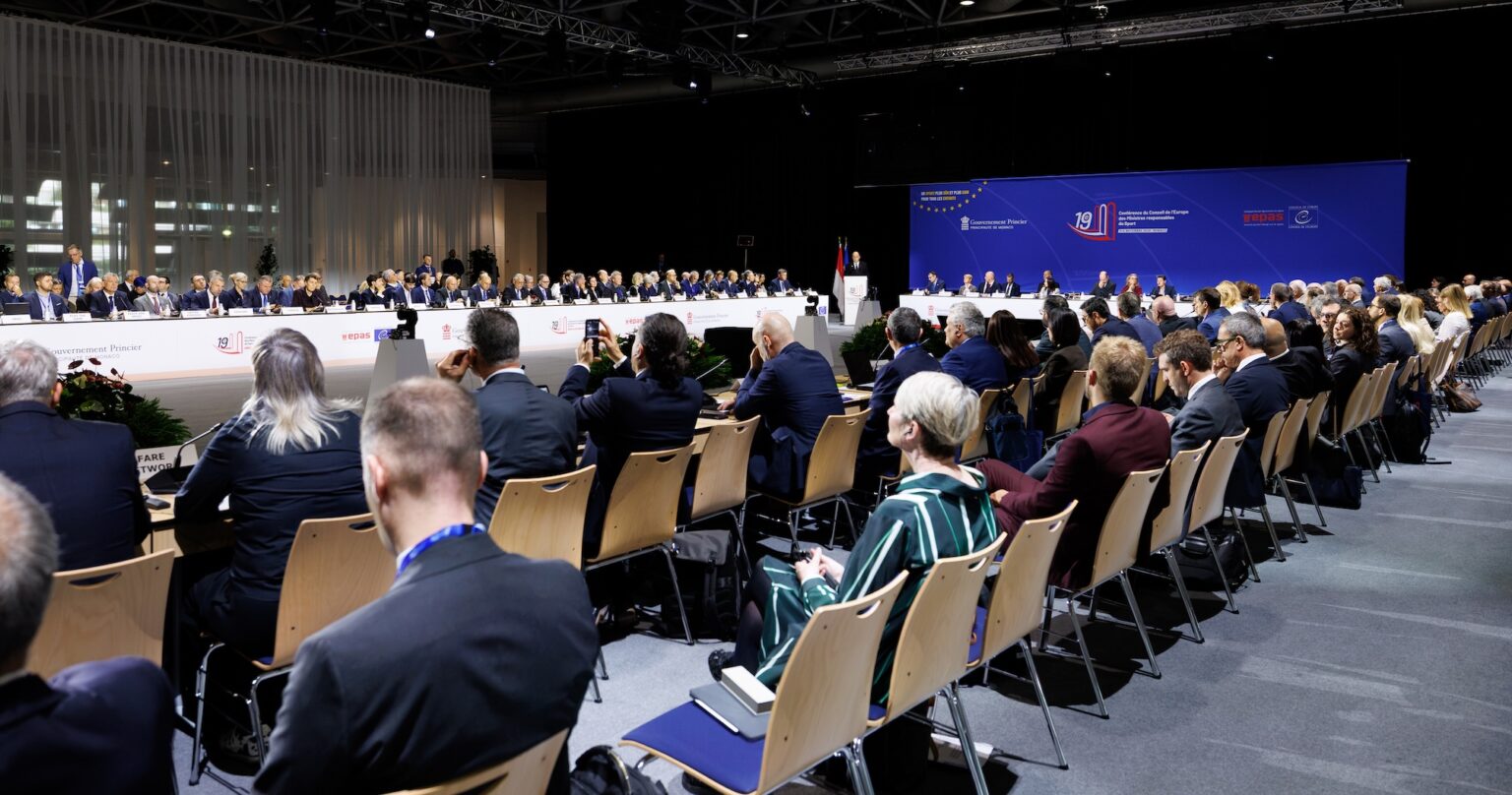
Ouverture Conseil de l’Europe Grimaldi Forum 2026
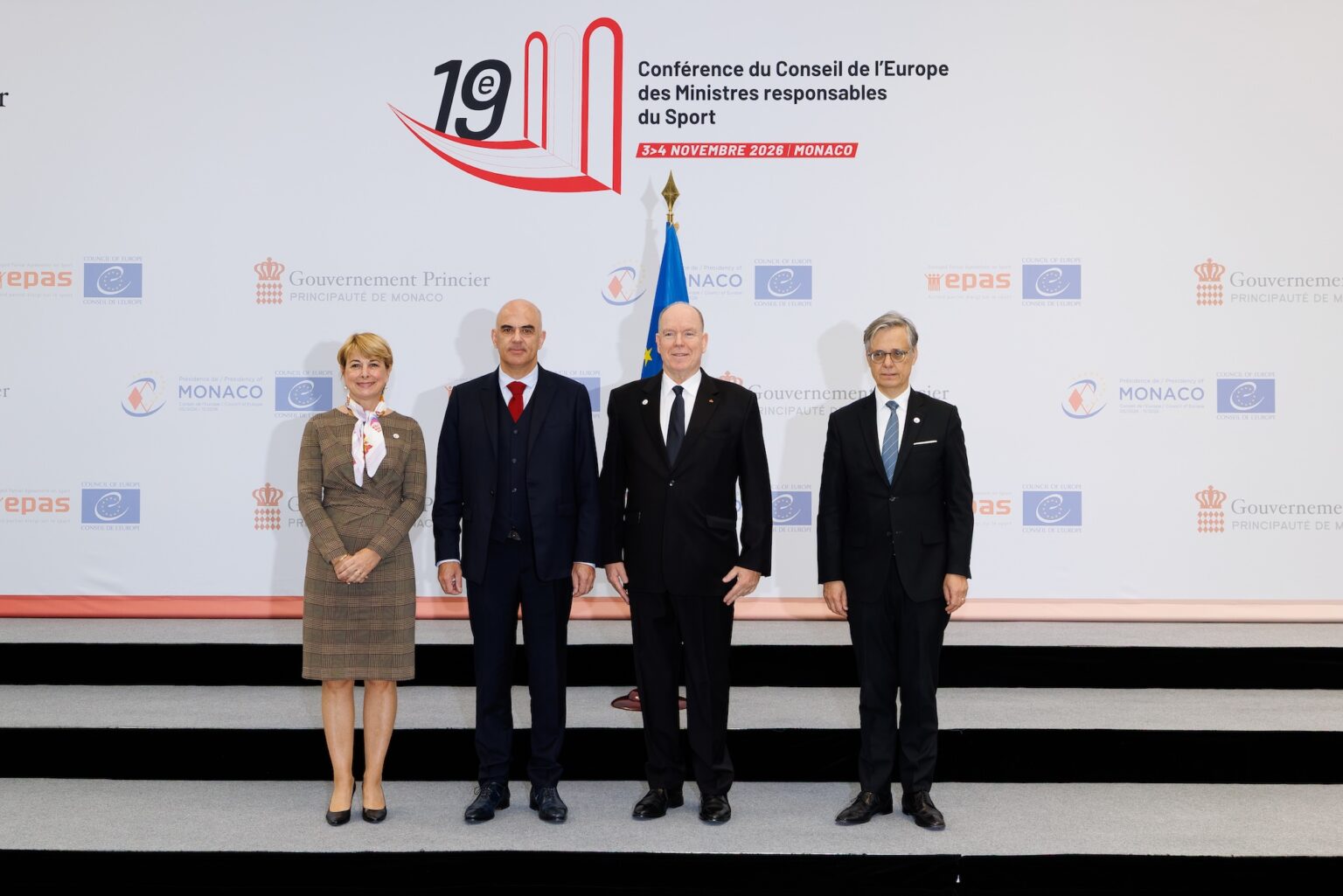
Ouverture Conseil de l’Europe Grimaldi Forum 2026
Latest news
You might also be interested in:



7 November 2024

18 August 2026

Latest Articles
5 November 2026

5 November 2026

5 November 2026

5 November 2026

4 November 2026

4 November 2026
Most Read Articles

24 January 2024
28 January 2026
4 November 2026

28 January 2026
5 November 2026