




Estérel on Display in Draguignan: The Red Rocks That Inspired Modern Art
A major exhibition at the Musée des Beaux-Arts de Draguignan explores the artistic fascination with the Estérel between Impressionism, Pointillism and Fauvism
Share News:
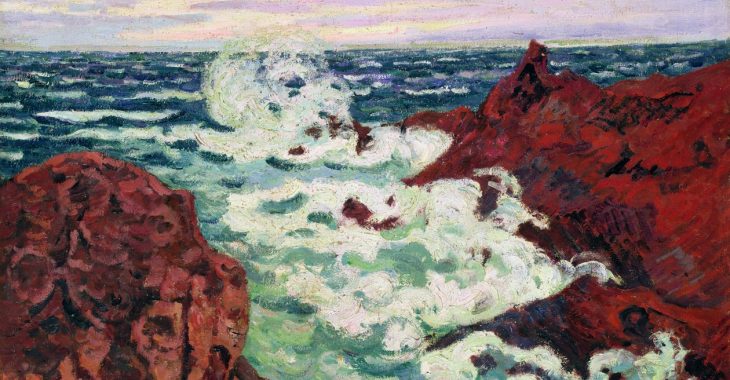
From May 22 to October 31, 2026, the Musée des Beaux-Arts de Draguignan will host a major exhibition dedicated to one of the most iconic landscapes of the French Riviera. Titled “Les roches rouges. Éclosion artistique dans l’Estérel à l’aube du XXe siècle”, the exhibition examines the central role of the Estérel massif in the development of modern painting movements between the late 19th and early 20th centuries.
Featuring around fifty works including paintings, lithographs, drawings and archival documents, the exhibition retraces the deep connection between artists and the famous red rocks of the Estérel, which became a true laboratory for experimentation with color, light and artistic form.
The Estérel Massif, now one of the natural symbols of the French Riviera, became a favored destination for painters and intellectuals during the late 1800s and early 1900s. The arrival of the Paris-Lyon-Méditerranée railway and the construction of the Corniche d’Or road in 1903 transformed the once remote territory into a celebrated cultural and tourist destination.
The exhibition highlights how the Estérel landscape influenced key artistic movements of modernity, from Post-Impressionism and Pointillism to Fauvism and the Nabi movement. Featured artists include Henri-Edmond Cross, Jean-Baptiste Armand Guillaumin, Louis Valtat and Ker-Xavier Roussel, all of whom explored the dramatic red landscapes through bold studies of light and color.
The exhibition is divided into five thematic sections. The opening section presents the rise of the Estérel as a tourist destination through historical maps, posters and vintage postcards. Other sections focus on the artists’ preferred viewpoints, from coastal panoramas to dramatic inland rock formations, offering immersive and visionary perspectives of the Mediterranean landscape.
A major theme of the exhibition is artistic seriality, with painters repeatedly returning to the same motifs to study changing atmospheres and variations of natural light. In many works, the rocks themselves become the main subject, while human figures are largely absent, emphasizing the power and symbolism of nature within modern art.
Beyond its artistic focus, the exhibition also encourages reflection on landscape preservation and sustainable tourism, reaffirming the Estérel as a cultural landmark of the French Riviera.
For information and opening hours, visit the official Musée des Beaux-Arts de Draguignan website
Latest news
You might also be interested in:


28 June 2024
Latest Articles

16 October 2026

16 October 2026

16 October 2026
15 October 2026
15 October 2026
15 October 2026
Most Read Articles

24 January 2024
28 January 2026

28 January 2026

14 October 2026

15 October 2026