




Pubblicato il 8 May 2026 da Redazione in Actuality, Actuality in Monaco, Monaco, What to Visit in Monaco
Monaco transforms Villa Sauber: Renzo Piano signs major expansion of the Nouveau Musée National
From 2026 to 2029, Monaco’s iconic museum will become a new international cultural hub dedicated to art, architecture and public spaces
Share News:
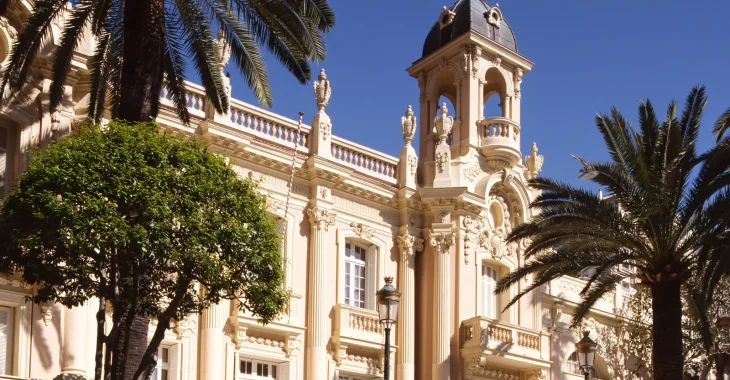
The Nouveau Musée National de Monaco is preparing for one of the most significant cultural transformations in its history through the restoration and expansion of the historic Villa Sauber, designed by the internationally renowned Renzo Piano Building Workshop.
The ambitious project, promoted by the Government of Monaco, aims to strengthen the museum’s international profile by creating new exhibition spaces, cultural facilities and public areas dedicated to education, research and the preservation of Monaco’s national collections.
A larger and more modern museum in the heart of Monaco
Construction work will begin in September 2026 and continue until 2029, marking a major turning point for the museum. The total surface area of Villa Sauber will increase from approximately 600 square meters to more than 4,000 square meters, allowing the institution to significantly expand its cultural activities.
The new museum layout will make it possible to permanently display the museum’s collections while also hosting large-scale international temporary exhibitions.
The architectural project combines the restoration of the historic villa with a contemporary extension designed to integrate harmoniously with Monaco’s urban landscape and architectural heritage.
New cultural spaces open to the public
The future Villa Sauber is designed not only as a museum, but as a multidisciplinary cultural destination open to residents and international visitors alike.
The project will include:
- a library;
- educational workshops;
- an auditorium;
- a cultural café;
- new event spaces;
- a redesigned landscaped garden.
The goal is to create a vibrant meeting place for cultural, artistic and educational activities throughout the year.
A redesigned garden with citrus trees, roses and Mediterranean landscapes
One of the key elements of the project is the creation of a new public garden connecting the historic villa with its modern extension.
The landscaped space will feature:
- a large stone forecourt;
- a central clearing;
- an orangery;
- rose gardens and jasmine pathways;
- an exotic wooded border designed to create a natural separation from the surrounding urban environment.
Ahead of construction works, Monaco’s Urban Planning Department has already started relocating trees and plants from the existing garden. Many citrus trees have been replanted along Avenue Princesse Grace and in the gardens of the Fairmont Monte Carlo.
Improved accessibility and pedestrian connections
The redevelopment project also includes improved accessibility for people with reduced mobility, with upgraded pedestrian routes linking Avenue Princesse Grace and Boulevard du Larvotto.
Public pedestrian access will remain open throughout most of the construction period, with only a few temporary closures planned during specific phases of the works.
New museum storage facilities beneath Mareterra
The modernization of the Nouveau Musée National de Monaco will also include the future installation of museum storage facilities beneath the hill of Mareterra, scheduled from 2028 onward.
This new infrastructure will ensure that Monaco’s national collections are permanently preserved within the Principality, further reinforcing Monaco’s role on the international cultural and artistic scene.
Latest news

19 October 2026
You might also be interested in:

1 December 2025
26 March 2026
6 January 2026
25 August 2025
Latest Articles

19 October 2026

19 October 2026
19 October 2026

16 October 2026

16 October 2026

16 October 2026
Most Read Articles

24 January 2024
28 January 2026

28 January 2026

16 October 2026
16 October 2026