




Monaco Labour Court Marks 80 Years: A Milestone for Social Dialogue in the Principality
Official ceremony attended by H.S.H. the Sovereign Prince celebrates the 80th anniversary of an institution founded in 1946 and a cornerstone of Monaco’s socio-economic model
Share News:
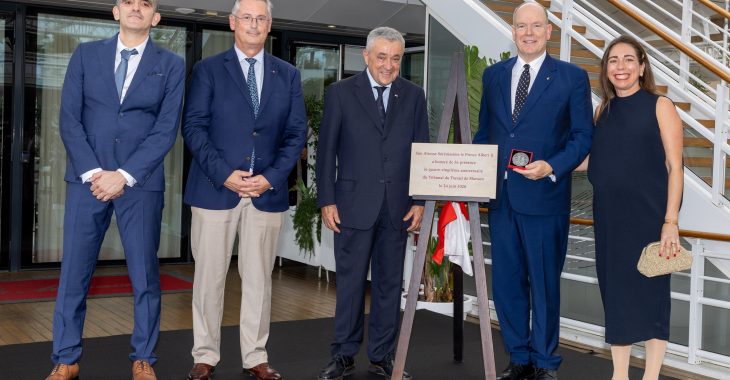
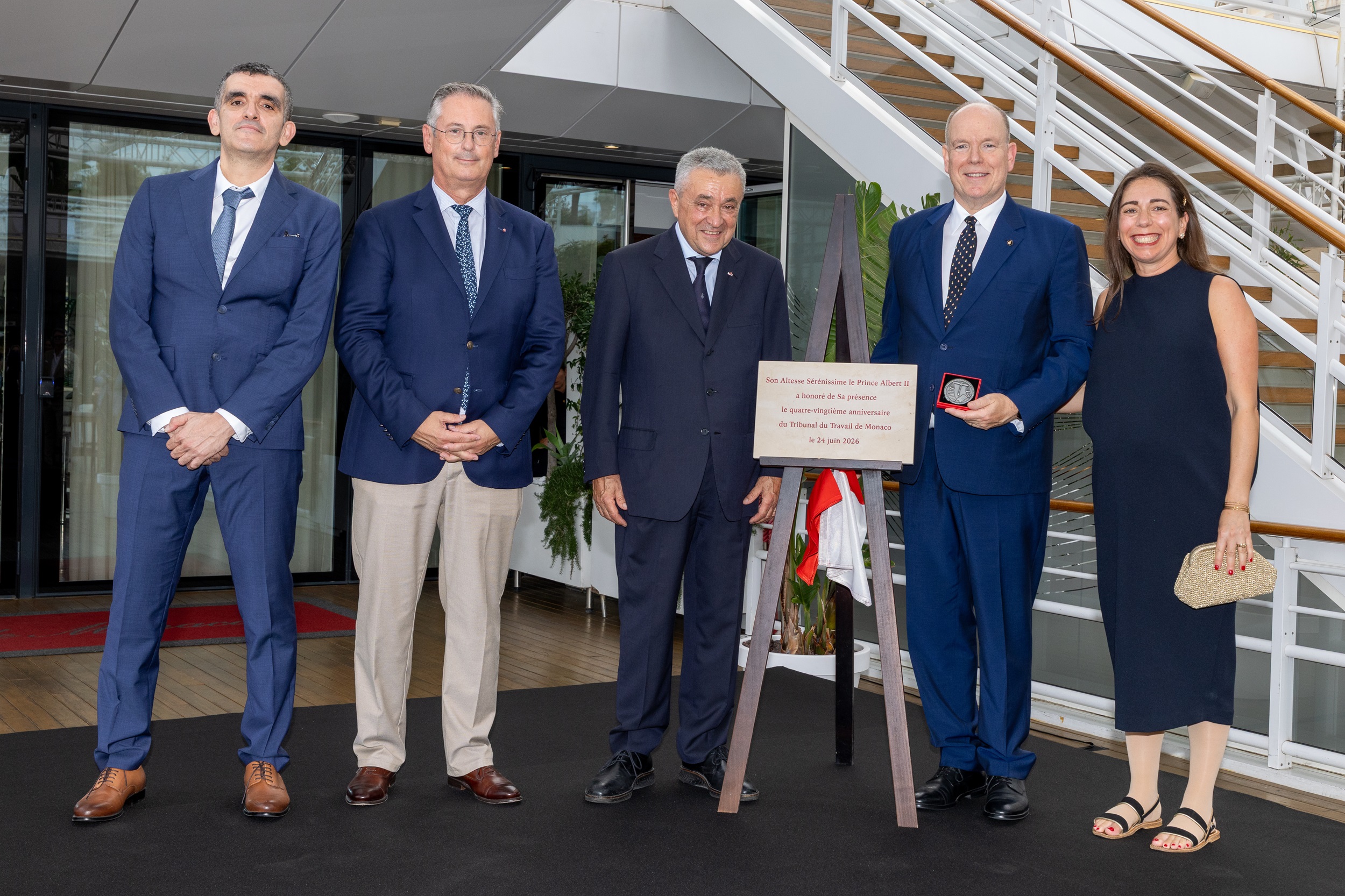
The Labour Court of the Principality of Monaco celebrated its 80th anniversary on Wednesday, June 24, during an official ceremony held in the presence of H.S.H. the Sovereign Prince.
The event marked a significant moment to highlight the essential role of this institution, which for eight decades has contributed to the stability of Monaco’s social and economic fabric.
A key institution for balance in the world of work
Established by Law No. 446 of May 16, 1946, the Labour Court is one of the fundamental pillars of Monaco’s legal and social system.
Its mission is to ensure social peace in employment relations by fostering dialogue between parties, promoting fairness in professional relationships, and safeguarding the rights of both employees and employers.
Over the years, the Court has become a key reference point for handling labor disputes, intervening whenever the employer-employee relationship becomes strained.
Government support and the importance of social values
On the occasion of the anniversary, the Princely Government reaffirmed its support for the Labour Court’s core mission, recognizing its strategic role in maintaining social balance within the Principality.
The institution continues to operate with the objective of preserving dialogue and promoting balanced solutions in labor conflicts, contributing to the stability of Monaco’s socio-economic model.
48 volunteer assessors serving social justice
The ceremony was attended by members of the judiciary, including 48 volunteer assessors, who play a fundamental role in the functioning of the Court.
Their presence highlighted the importance of collective contribution to labor dispute resolution, based on experience, commitment, and a strong sense of civic responsibility.
Eight decades of dialogue and social cohesion in the Principality
During the event, authorities and institutional representatives paid tribute to the work of the Labour Court, recognizing its essential role in promoting social dialogue and safeguarding social peace within Monaco’s labor environment.
Since its creation in 1946, the institution has served as a key balancing point between social partners, making a significant contribution to the cohesion and stability of the Principality of Monaco.
An anniversary that celebrates not only an institutional history, but also a lasting commitment to fairness and dialogue in the world of work.
Latest news
You might also be interested in:

16 September 2025


Latest Articles

12 October 2026
12 October 2026

12 October 2026

12 October 2026

12 October 2026

Most Read Articles

24 January 2024

28 January 2026

28 January 2026