


Cannes Film Festival, 80 Years of History: Three Talks Exploring the Origins and Future of Cinema
Ahead of the 80th edition of the Cannes Film Festival, three free events at the Espace Miramar will explore the origins of the festival, the never-held 1939 edition, and the challenges facing international cinema
Share News:
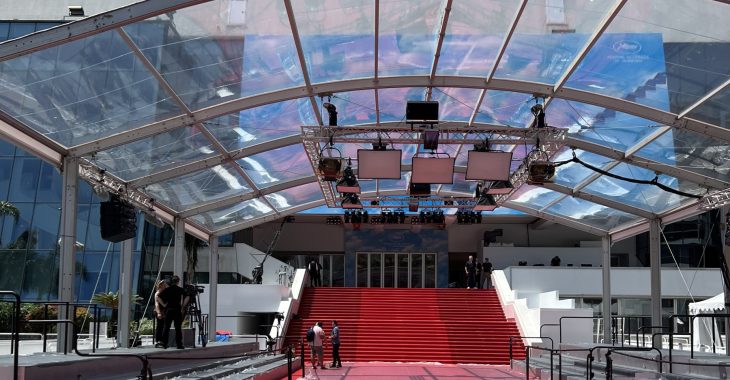
Cannes is preparing to celebrate a particularly significant milestone: the 80th edition of the Cannes Film Festival, taking place from May 11 to 22, 2027. To mark this important anniversary, the city is offering a journey through the history of the festival with three talks devoted to its origins, evolution, and future.
All three events are free of charge and will be held at the Espace Miramar, featuring two prominent figures: Thierry Frémaux, General Delegate of the Cannes Film Festival, and historian Olivier Loubes, author of major studies on the origins of the festival.
The initiative offers an opportunity to look beyond the glamour of the red carpet and international stars and rediscover the political and cultural events that contributed to the creation of one of the world’s most important film festivals.
Cannes Film Festival: A History Born Under the Sign of Freedom
The first event will take place on Tuesday, September 8, at 6:30 p.m. at the Espace Miramar. Thierry Frémaux will present “Le Festival de Cannes, la splendeur d’une idée universelle”, focusing on the original idea that would eventually lead to the creation of the festival.
The central concept is freedom: the ambition to bring international cinema together in Cannes through a festival capable of escaping political pressure and becoming a space for encounters between different cultures and countries.
To understand the origins of the Cannes Film Festival, it is necessary to return to the late 1930s, when Europe was experiencing growing political tensions that would soon lead to the outbreak of the Second World War.
From the 1938 Venice Film Festival to the Idea of Cannes
One of the key moments in this story dates back to 1938, when the Venice International Film Festival was heavily influenced by the political climate of the time.
The jury’s decision to award Olympia by Leni Riefenstahl and Luciano Serra, pilota sparked protests from the democratic delegations attending the festival.
Against this backdrop, diplomat Philippe Erlanger began developing the idea of creating an alternative international film festival in France, where cinema could enjoy greater independence from political pressure.
The choice fell on Cannes in May 1939.
But the project would soon be overwhelmed by international events.
Cannes 1939, the Festival That Never Took Place
The opening of the first Cannes Film Festival had been scheduled for September 1, 1939. On that very day, however, the invasion of Poland marked the beginning of the Second World War and brought the project to a halt.
The 1939 Cannes Film Festival thus entered history as the event that was supposed to inaugurate a new era of international cinema, but never actually managed to begin.
One curious cinematic detail also remains from that first, aborted edition: a few days before the outbreak of war, a single screening took place, Notre-Dame de Paris (The Hunchback of Notre-Dame) by William Dieterle.
This story will be the focus of the second event in the series, scheduled for Friday, October 30, at 6:30 p.m.
Historian Olivier Loubes will present “Cannes 1939, l’origine de quel monde?”, retracing the history of the festival that never truly began. Loubes is also the author of Cannes 39, le festival qui n’a pas eu lieu, devoted specifically to the origins of the aborted 1939 festival.

The Cannes Film Festival Finally Takes Place in 1946
It would take until the post-war period for the Cannes Film Festival to finally open its doors.
The first official edition took place on September 20, 1946, bringing together representatives from 19 countries.
From that moment on, Cannes would begin its transformation into one of the world’s great international capitals of cinema, gradually becoming a major reference point for directors, actors, producers, and professionals from the global film industry.
Its story therefore began long before the festival became synonymous with red carpets, major stars, and glamour.
Cannes Looks to the Future: Cinema, the Industry, and New Challenges
The commemorative series will conclude on Monday, December 14, at 6:30 p.m., once again with Thierry Frémaux.
The title of the final event, “Le Festival de Cannes, présent et avenir”, will shift the focus from the past to the festival’s future prospects.
The discussion will address transformations in the audiovisual sector and the complex balance between art-house cinema and entertainment, glamour and changes within the film industry, tradition and innovation.
The discussion will be particularly relevant on the eve of the 80th edition, offering an opportunity to reflect on the role the Cannes Film Festival can continue to play in the international film landscape.
Three Talks to Rediscover the Identity of the Cannes Film Festival
The initiative therefore provides an opportunity to revisit the Festival’s eighty-year history not only through its most celebrated moments, but by starting with its roots.
The story of Cannes is, in fact, the story of a project born in a Europe marked by political tensions and conceived as an international forum for dialogue and freedom through cinema. This identity remains, to this day, a fundamental part of the festival’s prestige.
All three events will take place at the Espace Miramar and admission is free.
The initiative is promoted by the Association Française du Festival International du Film (AFFIF) in collaboration with Cannes Cinéma, as part of the cultural policy of the City of Cannes.
Event Calendar
September 8, 6:30 p.m.
Le Festival de Cannes, la splendeur d’une idée universelle
Thierry Frémaux
October 30, 6:30 p.m.
Cannes 1939, l’origine de quel monde?
Olivier Loubes
December 14, 6:30 p.m.
Le Festival de Cannes, présent et avenir
Thierry Frémaux
Three events exploring the story of a festival that, eighty years after its first official edition, continues to reflect on its origins and on the future of international cinema.
Latest news
You might also be interested in:
1 October 2025
20 September 2024
3 July 2024
6 March 2025
Latest Articles

7 September 2026
7 September 2026

4 September 2026

4 September 2026

4 September 2026

4 September 2026
Most Read Articles

24 January 2024
28 January 2026

28 January 2026

4 September 2026