




Pubblicato il 27 October 2026 da Redazione in Actuality, Actuality in Monaco, Italy and Monaco, Monaco, Sport in Monaco
Leonardo Bonucci in Monaco: Artificial Intelligence Enters the World of Sport
The Italian footballer and investor in Veevi attended an event during SPORTEL Monaco 2026, focusing on digital twins, athletes’ image rights and the future of sports communication.
Share News:
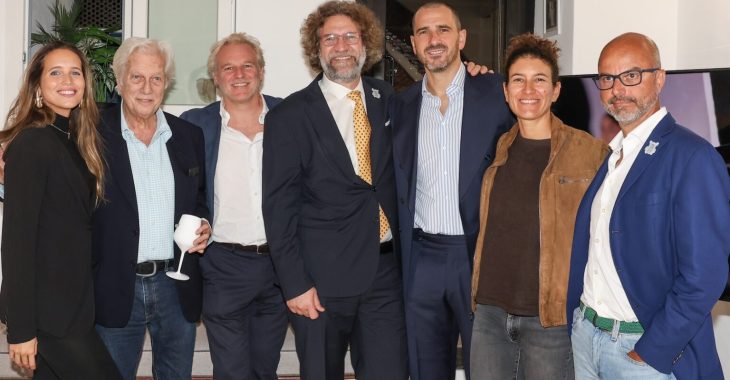
Artificial intelligence is opening up new possibilities in the world of sport, from digital communication to advertising and content creation. These developments were at the heart of an event held in Monaco during SPORTEL Monaco 2026, featuring Leonardo Bonucci, former Italian international footballer and investor in Veevi, a startup developing digital twins of athletes.
The technology aims to create digital representations of sports personalities that can be used to produce video and marketing content, while respecting the athletes’ consent and image rights.
Veevi and the rise of athletes’ digital twins
Veevi is developing a technology that allows athletes to create and manage their digital twins for use in audiovisual productions and commercial campaigns. The goal is to make content creation more flexible and efficient, while ensuring that athletes retain control over how their likeness and identity are used.
The approach raises important questions about the relationship between artificial intelligence, personal identity and the commercial value of an athlete’s image.
From advertising to sports broadcasting
The potential applications of digital twins extend beyond traditional advertising. The technology could help produce tailored content for different audiences and communication channels, opening up new opportunities for clubs, leagues, broadcasters and commercial partners.
Veevi has cited collaborations and projects involving high-profile names and organisations, including tennis player Aryna Sabalenka and WHOOP, Juventus Forward, and Serie A broadcasts.
These developments illustrate how AI-based tools are beginning to influence the way sport is presented, promoted and experienced by fans.
Giulia Conti: innovation beyond football
The event also featured Giulia Conti, a sailor who has competed at four Olympic Games and won the women’s America’s Cup with Luna Rossa. She is also involved in Ferrari Hypersail, a project combining sailing, engineering and technological innovation.
Her participation highlighted how the digital transformation of sport extends across disciplines, bringing together athletes, technology companies and major brands.
Leonardo Bonucci and the future of sports innovation
Bonucci’s involvement as an investor in Veevi reflects the growing interest among athletes in technologies that could reshape the sports industry. Beyond performance and competition, innovation is increasingly affecting communication, sponsorships and the relationship between athletes and their audiences.
Artificial intelligence offers new opportunities, but its adoption also requires clear rules and safeguards, particularly when digital representations of real people are involved.

Image rights, consent and transparency
One of the key issues discussed around AI-generated sports content is how audiences can distinguish between a real statement made by an athlete and a message created using artificial intelligence.
Transparency, explicit consent and the protection of image rights are central to this debate. As digital twins become more sophisticated, athletes and organisations will need to establish clear guidelines governing their use, including how AI-generated content is identified and approved.
The challenge is to encourage innovation without undermining trust between athletes, brands and fans.
Monaco as a hub for sports technology
The event took place during SPORTEL Monaco 2026, an international gathering dedicated to sports media, broadcasting and related technologies. Monaco continues to provide a meeting point for athletes, industry leaders and innovators exploring the future of sport.
The discussion surrounding Veevi and digital twins reflects a broader transformation: artificial intelligence is becoming part of the sports ecosystem, bringing significant opportunities alongside new questions about responsibility, identity and human judgement.
Latest news


27 October 2026
You might also be interested in:



Latest Articles

27 October 2026

27 October 2026
27 October 2026

27 October 2026

26 October 2026

26 October 2026
Most Read Articles

24 January 2024

28 January 2026

28 January 2026

23 October 2026

23 October 2026