




The Blue Chair of Nice Arrives in Beirut: Five-Metre-High Monumental Sculpture Unveiled on the Lebanese Coast
Created by artist Sabine Géraudie, the installation celebrates friendship between France and Lebanon and brings an iconic symbol of the French Riviera to the Mediterranean shores of Beirut.
Share News:
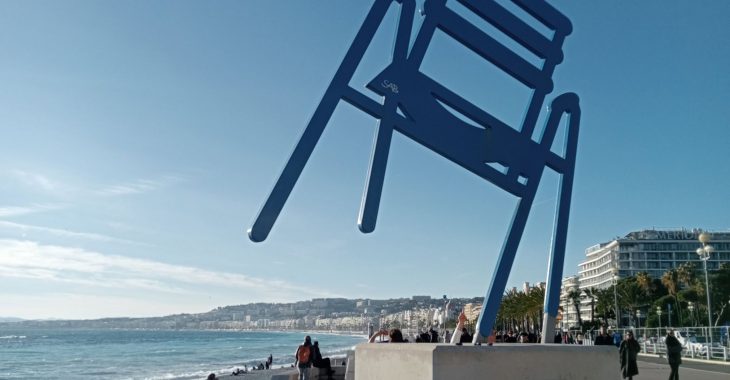
Beirut has welcomed a new landmark along its seafront: a monumental blue chair, five metres high, inspired by the iconic Chaise Bleue of Nice. The sculpture was officially unveiled on 27 October along the Beirut Corniche, in the Aïn el-Mreissé area, bringing a familiar symbol of the French Riviera to the Lebanese capital.
Created by French artist Sabine Géraudie, known as SAB, the installation is more than an enlarged version of a design icon. Its backrest features the outline of Lebanon, turning the chair into a symbol of friendship, cultural exchange and the strong ties between France and Lebanon.
From Nice to Beirut: the story of an iconic chair
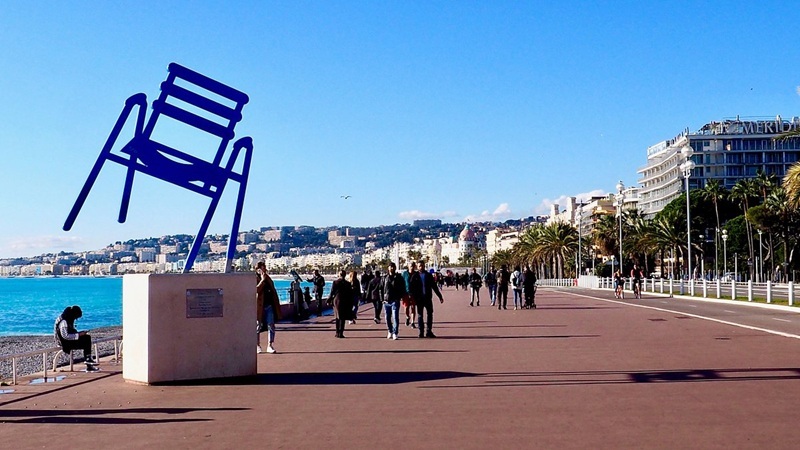
The original Blue Chair is one of the most recognisable symbols of Nice. First installed in 2014 near the Jardin Albert-Ier, along the Promenade des Anglais, it has become an emblem of the city and its Mediterranean identity.
Its distinctive design and unmistakable blue colour have made it a familiar presence on the Riviera. Bringing the chair to Beirut therefore means more than reproducing a popular object: it is a way of creating a connection between two Mediterranean cities that share a deep relationship with the sea.
A project born from friendship
The idea for the Beirut installation grew out of a friendship with Géraldine Ghostine. The project was developed through Blue Shores International, co-founded by Ghostine and Rodolphe Melki, with the aim of creating a cultural bridge between the two countries.
The sculpture was made in Lebanon by local artisans, giving the project an additional dimension: beyond its symbolic meaning, it also highlights local craftsmanship and the importance of cultural collaboration.
The inauguration on the Beirut Corniche
The unveiling ceremony took place on 27 October in the presence of Lebanon’s First Lady, Nehmat Aoun, and Tourism Minister Laura el-Khazen Lahoud, alongside representatives and supporters of the initiative.
With its five-metre height and striking blue colour, the sculpture is designed to become a new landmark along Beirut’s waterfront, inviting residents and visitors to stop, take photographs and discover the story behind the installation.
A symbol that has sparked debate
As often happens with public art, the project has also prompted reactions on social media. Some users have expressed criticism of the installation, generating debate about its meaning, its location and the role of monumental artworks in public spaces.
Yet the chair’s creators see it as an invitation to look beyond borders and rediscover the Mediterranean as a shared space for dialogue, creativity and cultural exchange.
A Mediterranean bridge between France and Lebanon
The Blue Chair of Beirut brings together two cities through a simple but powerful image. Inspired by a symbol deeply rooted in Nice, the sculpture takes on a new meaning on the Lebanese coast, where the outline of Lebanon becomes part of its design.
More than a tribute to an iconic piece of urban furniture, the installation is intended as a gesture of friendship and a reminder of the cultural ties that connect the two shores of the Mediterranean.
Latest news
You might also be interested in:


22 October 2025
10 June 2024

Latest Articles

16 November 2026

16 November 2026
13 November 2026

13 November 2026

13 November 2026

13 November 2026
Most Read Articles

24 January 2024

28 January 2026
13 November 2026

28 January 2026
13 November 2026