




Cagnes-sur-Mer: Château-Musée Grimaldi Celebrates 80 Years of Art and Collecting
Until January 4, 2027, an exhibition at the Château-Musée Grimaldi traces the history of one of the French Riviera’s most distinctive museums. From the region’s olive-growing heritage to portraits by Tamara de Lempicka and works by Foujita and Vasarely, the exhibition explores the donations, encounters and masterpieces that shaped a collection of around 1,800 works and objects.
Share News:
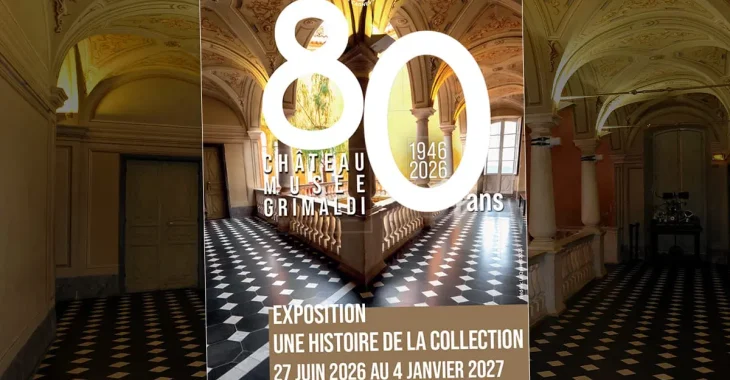
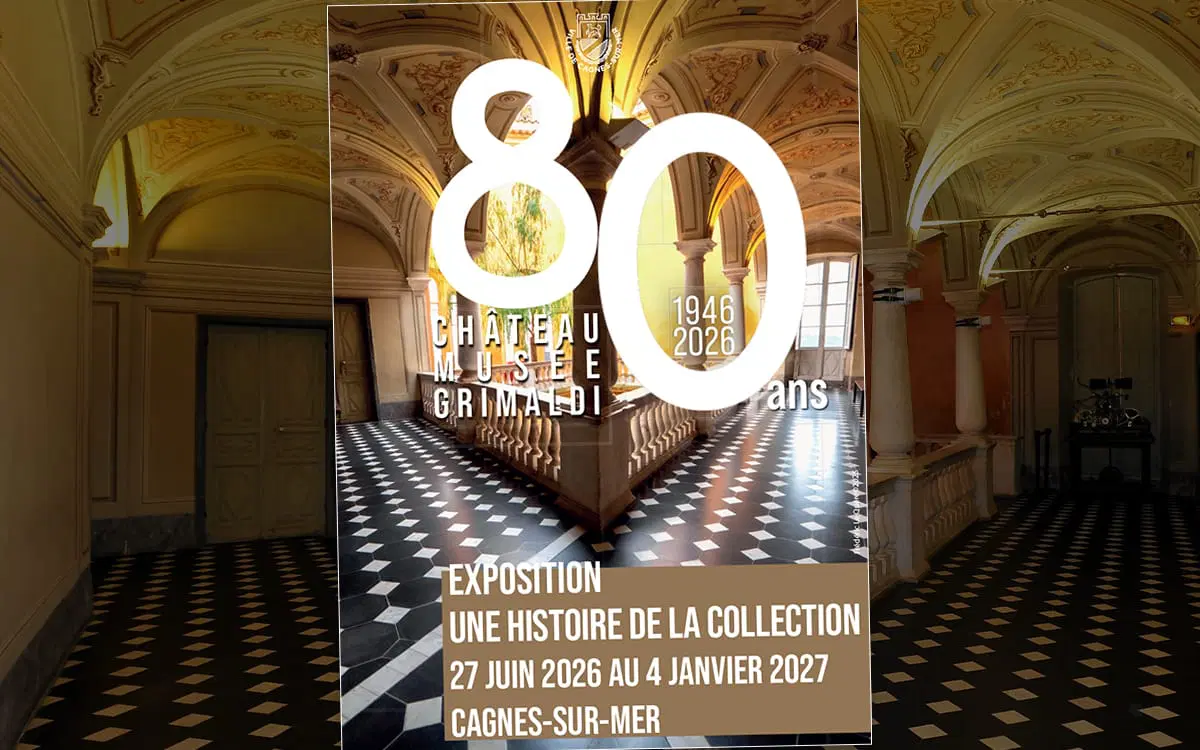
In the medieval village of Haut-de-Cagnes, the Château-Musée Grimaldi is celebrating 80 years of activity with an exhibition devoted to the origins and development of its artistic collection. Open until January 4, 2027, the exhibition tells the story of how a castle transformed into a museum in the aftermath of the Second World War became a place dedicated to preserving local heritage and showcasing modern and contemporary art.
Today, the collection comprises around 1,800 works and objects, acquired through purchases, research and, above all, donations from artists and collectors. The exhibition brings together archival documents, photographs, film footage and artworks to illustrate the museum’s different stages of development.
From a historic castle to a museum
The story of the Château-Musée Grimaldi began in 1937, when the municipality of Cagnes-sur-Mer purchased the castle. In 1946, the decision was made to turn the building into a public museum, an ambitious project at a time when the castle did not yet have an established collection.
Denis-Jean Clergue (1906–1981), appointed curator, became the driving force behind the initiative. Under his leadership, the museum embarked on a journey that combined the preservation of local traditions with an openness to new artistic movements.
The anniversary exhibition retraces this evolution through four sections, highlighting the people and circumstances that helped shape the castle’s cultural identity.
The Olive Museum preserves the heritage of the French Riviera
One of Clergue’s first initiatives was to establish the Olive Museum, created to document an agricultural activity deeply rooted in the region’s history but increasingly threatened by economic and social change.
Amphorae, millstones, olive-wood tools and scourtins — traditional mats used in olive pressing — tell the story of the work and knowledge behind olive oil production. Everyday objects thus become valuable witnesses to a cultural heritage that might otherwise have disappeared.
This commitment to local history laid the foundations for a museum that would bring together regional heritage and contemporary artistic expression.
Artists’ donations transform the collection
During the 1950s and 1960s, the museum began reaching out to the vibrant artistic community of the French Riviera. With limited funds available for purchasing paintings, Denis-Jean Clergue relied on personal relationships and collaboration with artists, persuading several of them to donate their works.
Among the artists represented in the collection are Moïse Kisling, Roger Chastel and Tsuguharu Foujita. Their works helped establish the castle as a meeting point between local culture and leading figures in 20th-century art.
A further boost came in 1969 with the launch of the International Painting Festival, organised in collaboration with the French Ministry of Foreign Affairs and inspired by the international ambitions of the Cannes Film Festival. The event continued until 2001 and helped expand the museum’s cultural connections, contributing to the arrival of contemporary works such as Victor Vasarely’s Jazz collage.
Suzy Solidor and the donation that changed everything
A decisive moment in the history of the Château-Musée Grimaldi came in 1973, when Suzy Solidor, a singer and prominent figure in Riviera society, donated her remarkable collection of portraits to the museum.
The collection includes works by major artists such as Tamara de Lempicka, Tsuguharu Foujita, Christian Bérard and Marie Laurencin. One of its highlights is de Lempicka’s famous portrait of Solidor, which has become one of the museum’s most recognisable works.
The donation did more than enrich the museum’s holdings: it strengthened the connection between the collection and the cultural and artistic history of the French Riviera, a region long associated with artists, writers and prominent figures from European cultural life.
From André Verdet to the latest acquisitions
The collection continued to grow in the following decades. In 2003, the museum received another significant donation from André Verdet, a poet, artist and critic who entrusted the castle with his collection of portraits. The works included a piece by the artist Ben.
These donations have been complemented by more recent acquisitions made by the municipality, including works by Yves Klein, Foujita and Marie Vassilieff. Together, these pieces illustrate the relationship between Cagnes-sur-Mer, the French Riviera and the artistic developments of the 20th century.
The anniversary is therefore an opportunity to celebrate not only the artists themselves, but also the people who helped build the collection through research, passion and generosity. The museum’s story demonstrates how an institution outside the major cultural capitals can develop a distinctive identity through cooperation between public institutions, artists and private collectors.
Visiting the exhibition at the Château-Musée Grimaldi
The exhibition celebrating the museum’s 80th anniversary is open until January 4, 2027, on the second floor of the Château-Musée Grimaldi, at Place du Château in the medieval village of Haut-de-Cagnes.
From October to March, the museum is open from 10 am to noon and from 2 pm to 5 pm every day except Tuesday. Full admission costs €4.
For visitors exploring the French Riviera, the exhibition offers an opportunity to discover a unique place where history, traditional craftsmanship and modern art meet, providing a distinctive perspective on the region’s cultural evolution.
Latest news
You might also be interested in:
27 February 2024

1 November 2024

Latest Articles
23 October 2026

23 October 2026

23 October 2026

23 October 2026

23 October 2026

23 October 2026
Most Read Articles

24 January 2024
28 January 2026

28 January 2026
23 October 2026
23 October 2026